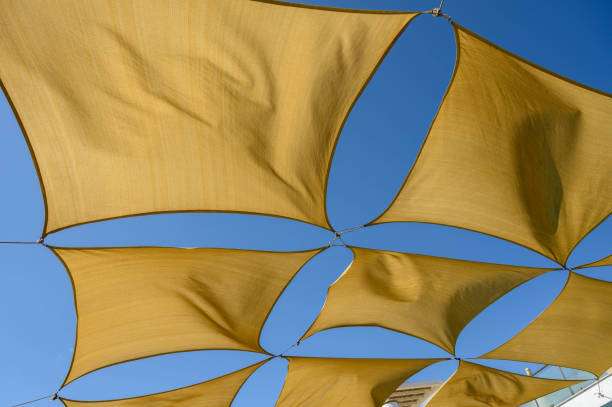
Does a shade sail affect ventilation? Material selection determines the effect.

In modern home and outdoor space design, shades have become a versatile solution for sun shading, rain protection, and decoration. However, many people wonder when installing shades: will it affect ventilation? Actually, the answer isn’t a simple “yes” or “no,” but rather depends on the material of the shade, the installation method, and the environment in which it will be used. This article will comprehensively analyze the impact of shades on ventilation and provide practical purchasing and installation advice to help you create a comfortable outdoor space.
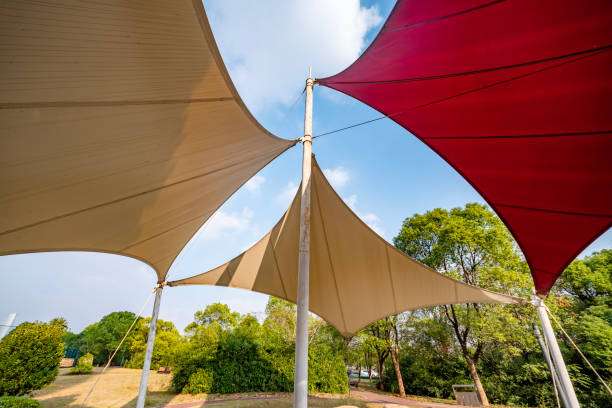
Shade Sail ‘s basic impact on ventilation
It is a fabric structure that covers the space to block sunlight or rain. Its impact on ventilation depends primarily on the following factors:
Material Breathability:
Shade sail materials on the market vary, including polyester fiber, HDPE (high-density polyethylene), and PVC waterproof fabric. Materials with good breathability, such as HDPE, allow air to circulate freely, maintaining natural ventilation in the space. While PVC or heavy polyester fabrics offer excellent waterproof performance, they may somewhat impede airflow.
the Shade Sail is from the ground, the smoother the airflow in the space. An angled or curved installation
also helps guide airflow and reduces the shade sail’s obstruction of ventilation.
Shade slides that are
Too large or too densely packed can create air resistance and reduce ventilation. Conversely, shade slides with appropriate open spaces or openwork designs can maintain airflow while providing shade.
of different materials on ventilation in Shade Sail
1. HDPE (High-Density Polyethylene)
HDPE is lightweight and breathable, with a porosity typically between 5% and 15%. These shade sails effectively block direct sunlight while allowing air to pass through. For patios, gardens, or swimming pool areas that require prolonged use, HDPE provides cooling without compromising ventilation.
2. Polyester fiber
Polyester shade sails typically have a waterproof coating, resulting in slightly lower breathability. While they can block sunlight and rain, in hot weather, if the surface area is too large and dense, it can slow down airflow underneath, creating a stuffy feeling. Therefore, when choosing polyester shade sails, it is recommended to leave gaps at the edges or incorporate ventilation openings in the design.
3. PVC or coated fabric
PVC shades are highly waterproof but almost completely non-breathable. When used in enclosed spaces, air circulation can be significantly restricted, leading to stuffiness and moisture buildup. Therefore, PVC shades are best suited for temporary rain protection or use in well-ventilated areas.
Installation Techniques to Improve Ventilation
Even if the material itself has limited breathability, ventilation can be improved through installation:
Installing the Shade Sail at an angle
, with one end slightly higher than the other, allows hot air to escape along the angle, enhancing airflow.
Multiple fixing points and gaps:
It is not necessary to completely flatten the shade sail to a sealed state. Leaving appropriate gaps at the edges or splicing gaps helps with air exchange.
The combination design
allows for the use of both HDPE breathable sails and waterproof PVC sails, ensuring both sunshade and rain protection without compromising ventilation.
Shade Sail in a semi-enclosed space with a fan or natural wind guide
, you can ensure smooth airflow by placing the fan or adjusting the space layout.
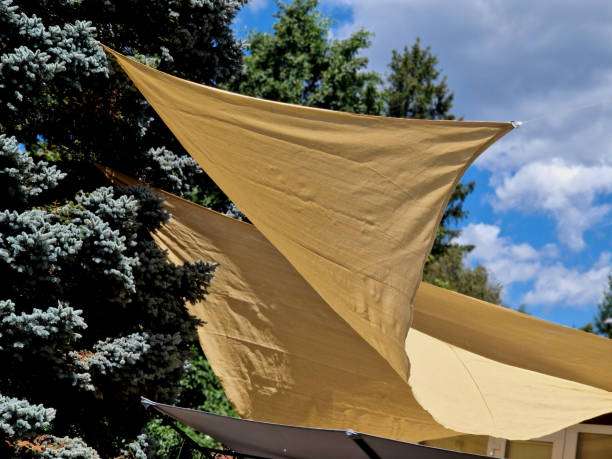
Material selection suggestions
The following suggestions can be used as a reference when choosing a shade sail, depending on ventilation requirements and usage scenarios:
|
Scene |
Recommended materials |
Features |
|---|---|---|
|
Garden, terrace |
HDPE |
Highly breathable, lightweight, and easy to clean |
|
Temporary rain shelter |
PVC | It is highly waterproof but has poor ventilation. |
|
Sunlight blocking |
Polyester fiber | Blocks ultraviolet rays; ventilation is average. |
Sunlight and ventilation |
HDPE + Mesh Design |
Block sunlight while maintaining air circulation |
FAQ:
Q: Will it completely block the wind?
A: No, breathable materials such as HDPE allow some air to pass through, while heavy or waterproof materials will reduce ventilation, but they usually will not completely block the wind.
Q: Is PVC suitable for summer use?
A: PVC Shade Sail has good waterproof performance but poor breathability. If used in high-temperature environments in summer, it may cause a stuffy feeling. It is recommended to use it with ventilation holes or choose a breathable material.
Q: Can a shade sail be installed under the eaves?
A: Yes, but make sure there is a good airflow path around it to prevent hot air from getting trapped under the sail.
Q: Does a larger area mean worse ventilation?
A: A larger area may affect local air circulation, but ventilation problems can be alleviated by installing the equipment at an angle or leaving the edges open.
Q: Which has a greater impact on ventilation, material or wind speed?
A: Both have an impact. Breathable materials are inherently easier to ventilate, while in environments with high wind speeds, even heavy materials can maintain some airflow. It is recommended to consider both material and environment comprehensively.
Summarize:
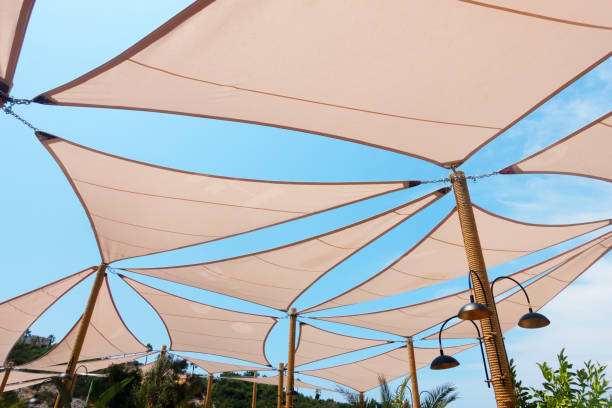
Whether or not ventilation is affected depends on the choice of materials, installation method, and spatial environment. Shade sails with good ventilation (such as those made of HDPE) are suitable for long-term use, while waterproof and heavy-duty materials are more suitable for temporary rain shelters or well-ventilated areas. By designing the installation method properly, such as tilting, leaving gaps, or combining materials, comfortable air circulation can be maintained while ensuring the sunshade effect.
If you are choosing a shade sail for your terrace, garden, or outdoor space, you can quickly make a decision using the table below:
For ventilation, choose HDPE or a mesh design shade sail.
For waterproof and sun-shading options, choose PVC or coated polyester fiber.
Balancing aesthetics and ventilation: Combining different materials or using a patchwork design
Want to keep your outdoor spaces cool and airy? Choose the right shade sail material now to give your garden and patio a fresh new look!